

In a bold move that signals Amazon’s renewed push into AI-powered consumer hardware, the tech giant recently acquired Amazon Bee, an AI wearable startup known for creating a smart device that listens, learns, and assists users throughout their day. This Amazon Bee acquisition isn’t just another tech headline; it highlights Amazon’s long-term strategy to bring ambient intelligence closer to everyday life.
Who Is Bee and What Does Its Wearable Do?
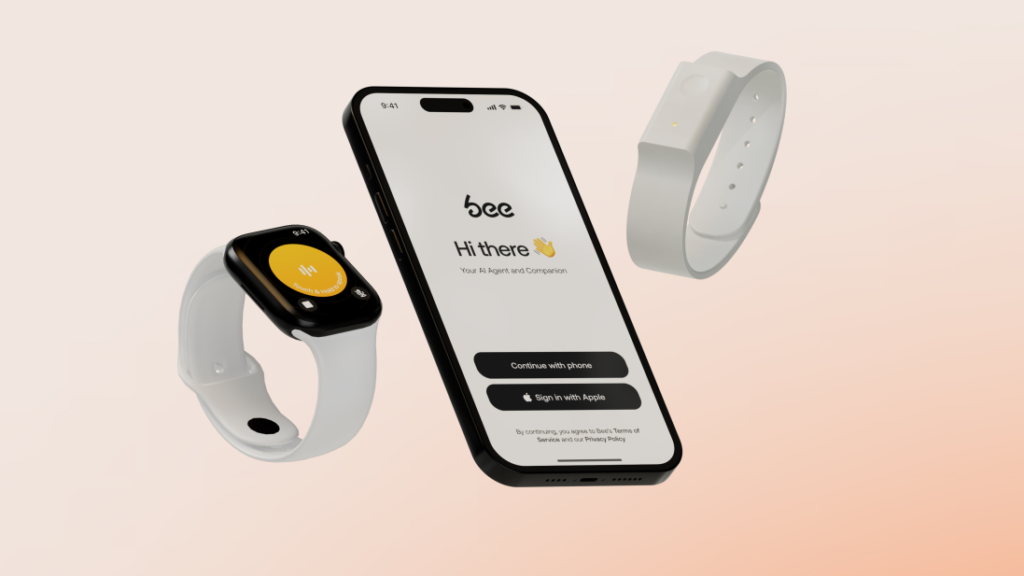
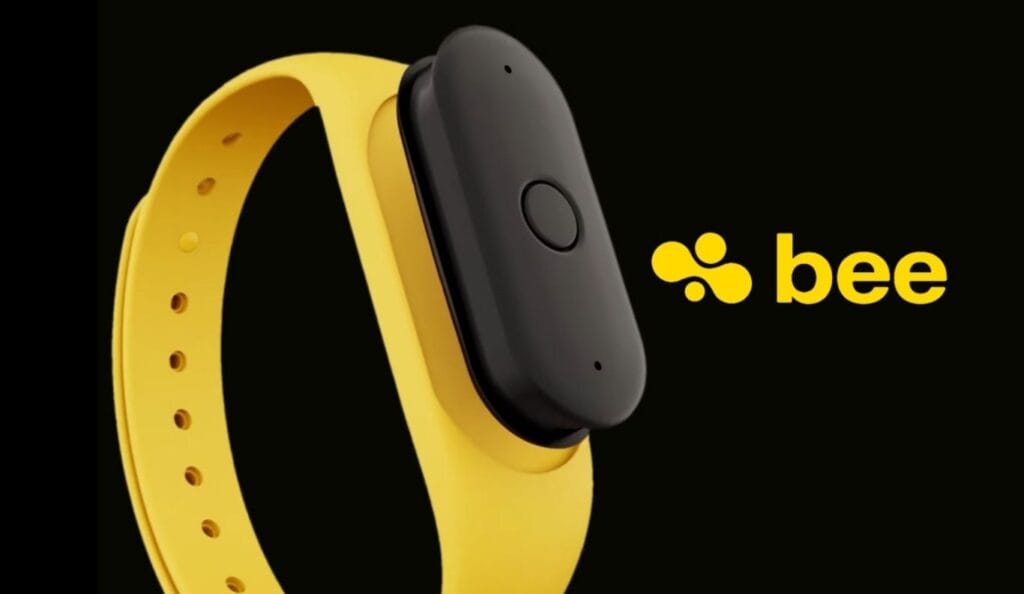
Bee is a San Francisco based AI wearable startup that developed a lightweight device often worn as a wristband or clip on designed to record conversations and translate them into useful insights. The wearable:
- Transcribes spoken interactions into written summaries.
- Generates to-do lists and reminders automatically.
- Connects with calendars, emails, contacts, and other data to personalize suggestions.
Unlike a traditional smartwatch focused on health or fitness tracking, the Bee wearable functions more like a personal digital assistant, always present to capture life’s moments and turn them into actionable insights.
Amazon’s Strategic Motives Behind the Acquisition
So, why did Amazon buy Bee? Here’s a breakdown of the strategic reasons:
1. Re-Entering the Wearable Tech Market
Amazon has already experimented with wearables notably the Halo fitness tracker but never gained a strong foothold. By acquiring Bee, Amazon injects fresh tech and vision into this space, differentiating from its competitors’ offerings.
2. Expanding AI Beyond the Smart Home
Amazon’s Alexa platform dominates smart speakers and home devices, but wearables like Bee extend AI outside the house. Bee helps users throughout their day — in meetings, conversations, and daily tasks where Alexa has limited reach.
3. Building Ambient Intelligence
Bee represents a shift toward ambient intelligence technology that works quietly and intelligently in the background. Instead of the user actively asking questions, the AI anticipates needs and provides insights based on real-world interactions.
4. Staying Competitive in the AI Hardware Race
Tech giants including Apple, Meta, Google, and OpenAI are all investing heavily in AI wearables and personal assistants. Amazon’s purchase of Bee positions it as a strong contender in this emerging field.
5. Enhancing Alexa and Amazon’s AI Ecosystem
Bee’s capabilities complement Amazon’s existing AI ecosystem. While Alexa excels at voice commands in the home, Bee’s personal, behavior-based awareness fills a different niche. Amazon’s leadership has hinted at future integrations between Bee’s wearable intelligence and Alexa’s voice platform combining the strengths of both.
What This Means for Users
With Bee now under Amazon’s umbrella, customers can expect:
- Deeper AI integration with everyday tasks.
- Smarter reminders and insights based on real conversations and activities.
- New features that connect wearable intelligence to calendars, emails, and more.
Privacy remains a hot topic, as always, with AI wearables that listen but Amazon has publicly committed to giving users control over their data and privacy settings.
Conclusion: A Smart Bet on Personal AI
Amazon’s acquisition of Bee is about much more than a wearable device it’s a strategic play in the evolving world of personal AI companions. By combining Bee’s contextual intelligence with Amazon’s massive ecosystem, the company is poised to redefine how we interact with technology every day. Whether generating insights from a conversation or helping organize life behind the scenes, this acquisition underscores a future where AI isn’t just reactive it’s personal, proactive, and always present.